






NAD+ is now one of the most talked-about nutrients in healthy ageing. It’s a tiny molecule at the heart of how our cells convert food into energy, repair DNA, and respond to stress.
NAD+ availability in the body tends to decline as we age, by up to 60 percent between our 30s and 70s, and many of us are now turning to supplements for support.
But simply increasing your NAD+ levels may not be enough – because how your body uses it matters too.
NAD+ is always being shared by different systems throughout the body. Research shows that if your cells are under constant stress from inflammation, poor sleep, or metabolic strain, then any extra NAD+ from a supplement is likely to be wasted on immediate cellular “firefighting” rather than proactively supporting healthy ageing, renewal and repair.1,2,3
Here are four everyday habits that can naturally support your NAD levels and help create a healthy cellular environment so your body can use it more effectively.
Start the day with coffee
Your morning brew is the richest natural source of trigonelline4, a unique NAD precursor that tops up your supply via a special biological route5. This makes coffee ideal to take with a NAD+ supplement, opening a second “supply route” into the cell. Just opt for light roasts, as heavy roasting tends to degrade this valuable molecule.
Move your muscles regularly
Endurance and resistance training can improve the body’s ability to recycle NAD in skeletal muscle. Exercise is consistently linked with improved mitochondrial function and metabolic flexibility, helping you stay energised and recover smoothly after activity.6,7
Protect deep, regular sleep
The enzyme that recycles NAD (called NAMPT) is under circadian regulation, linking your sleep-wake rhythms to your NAD availability.8 Without regular, restful sleep, your body’s ability to generate and recycle NAD gets reduced.
Eat more colourful plant foods
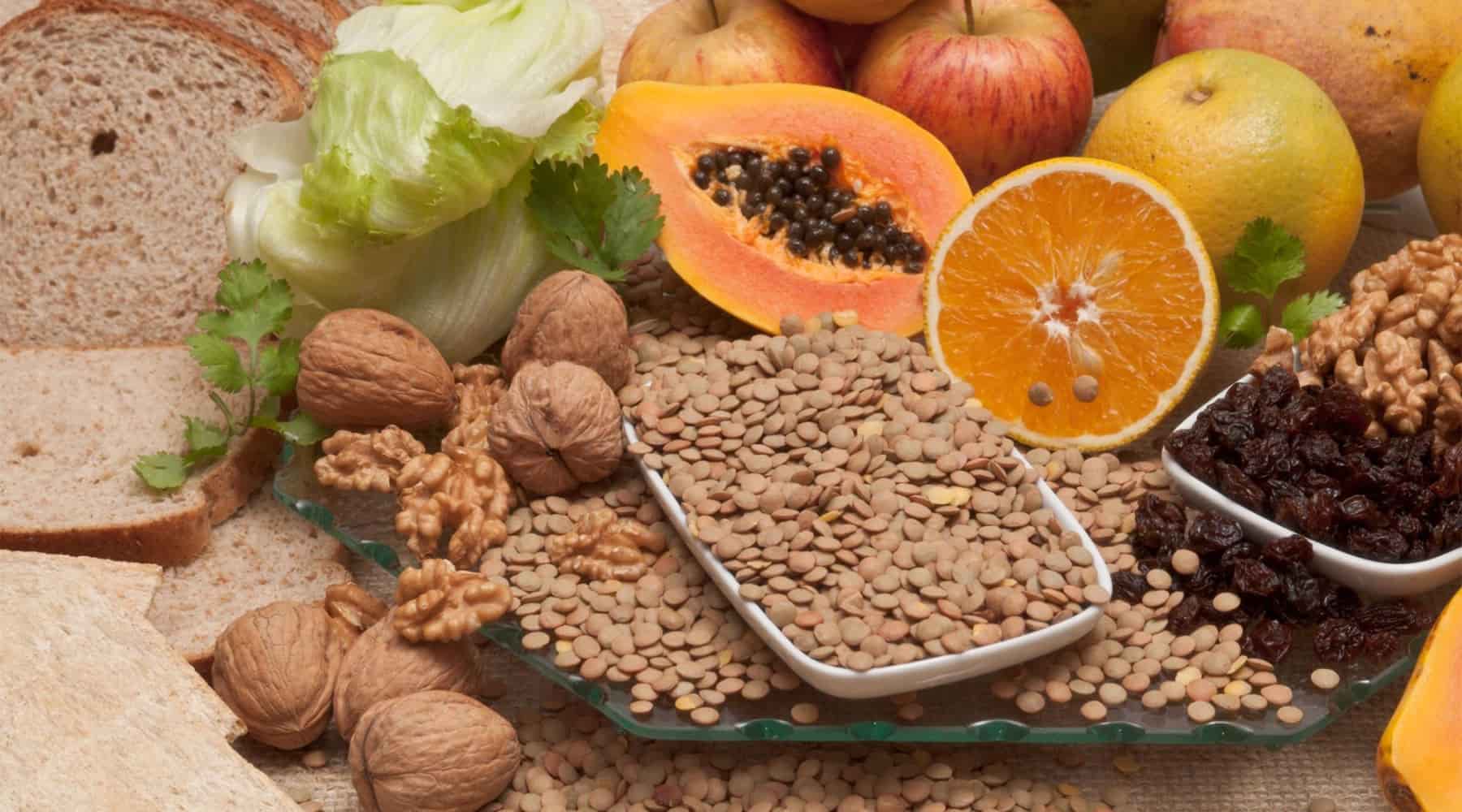
Eating the rainbow with a plant-rich diet is one of the simplest ways to support NAD. Foods rich in polyphenols support a healthy cellular environment so that the NAD can be used for repairing and renewing your cells. Go for richly coloured fruit and veg, herbs and spices such as dark berries, apples, broccoli, carrots, cocoa and extra-virgin olive oil.9-11
Adding targeted nutritional support
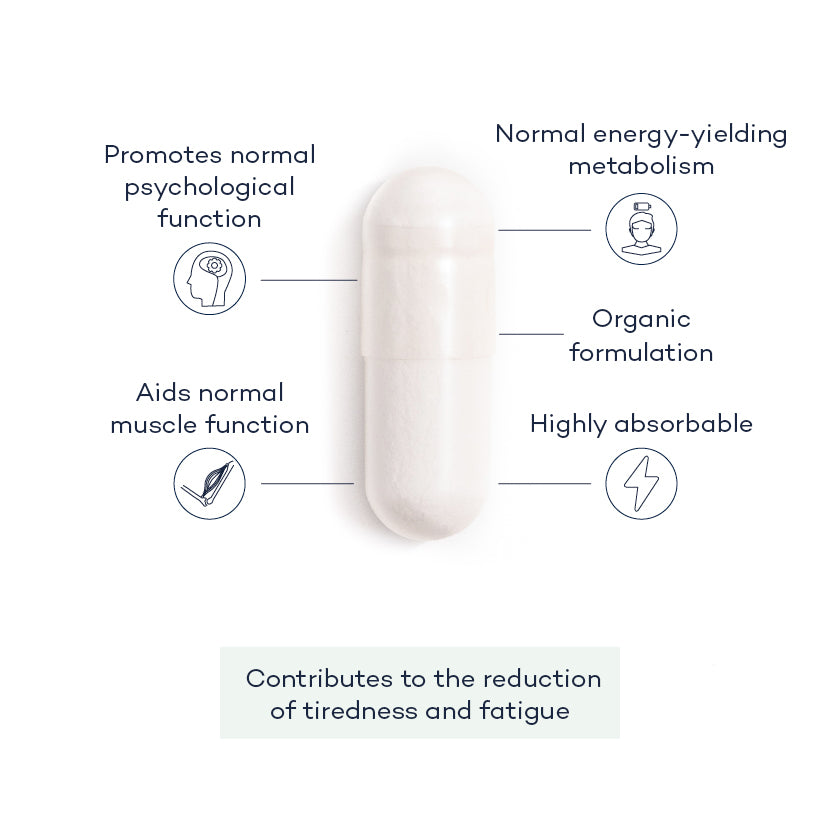
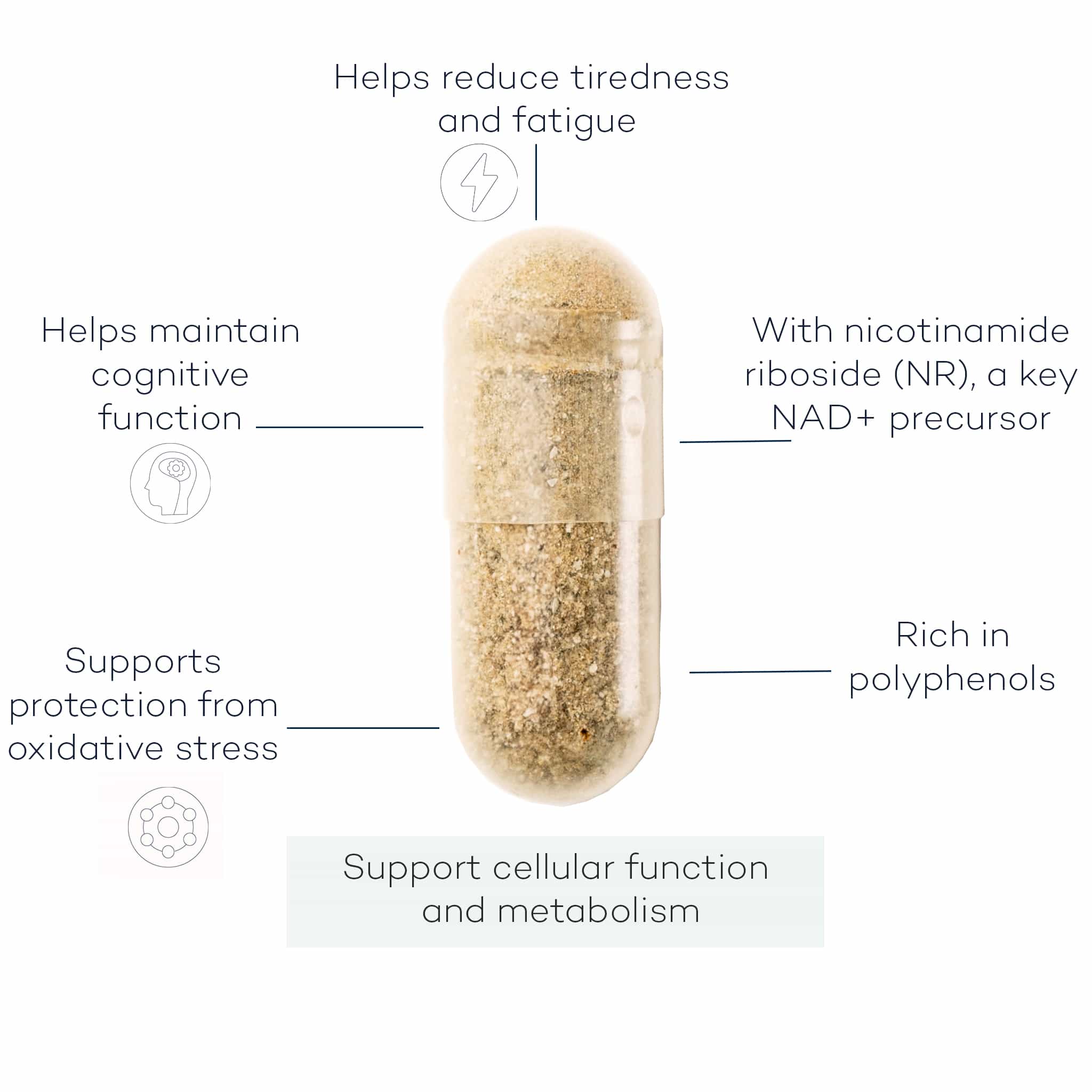
Unlike most NAD+ supplements, NAD+ Advanced not only helps raise NAD+ levels with a proven NAD+ precursor – nicotinamide riboside – it also includes two potent plant polyphenols shown to support a healthy cellular environment and help your body make the most of NAD+.
Veri-te™ Resveratrol – a polyphenol found in red grape skins that helps activate stress-response pathways, supporting repair and maintenance when NAD+ is available.
Green Tea Extract – green tea catechins, particularly EGCG, support antioxidant defences and help reduce chronic inflammation so that extra NAD+ support is used where you want it, rather than being lost to ongoing cellular stress.
Together, these help NAD+ improve your metabolic, cognitive, and physical resilience, building the foundation for long-term health and vitality.
Nutritional support

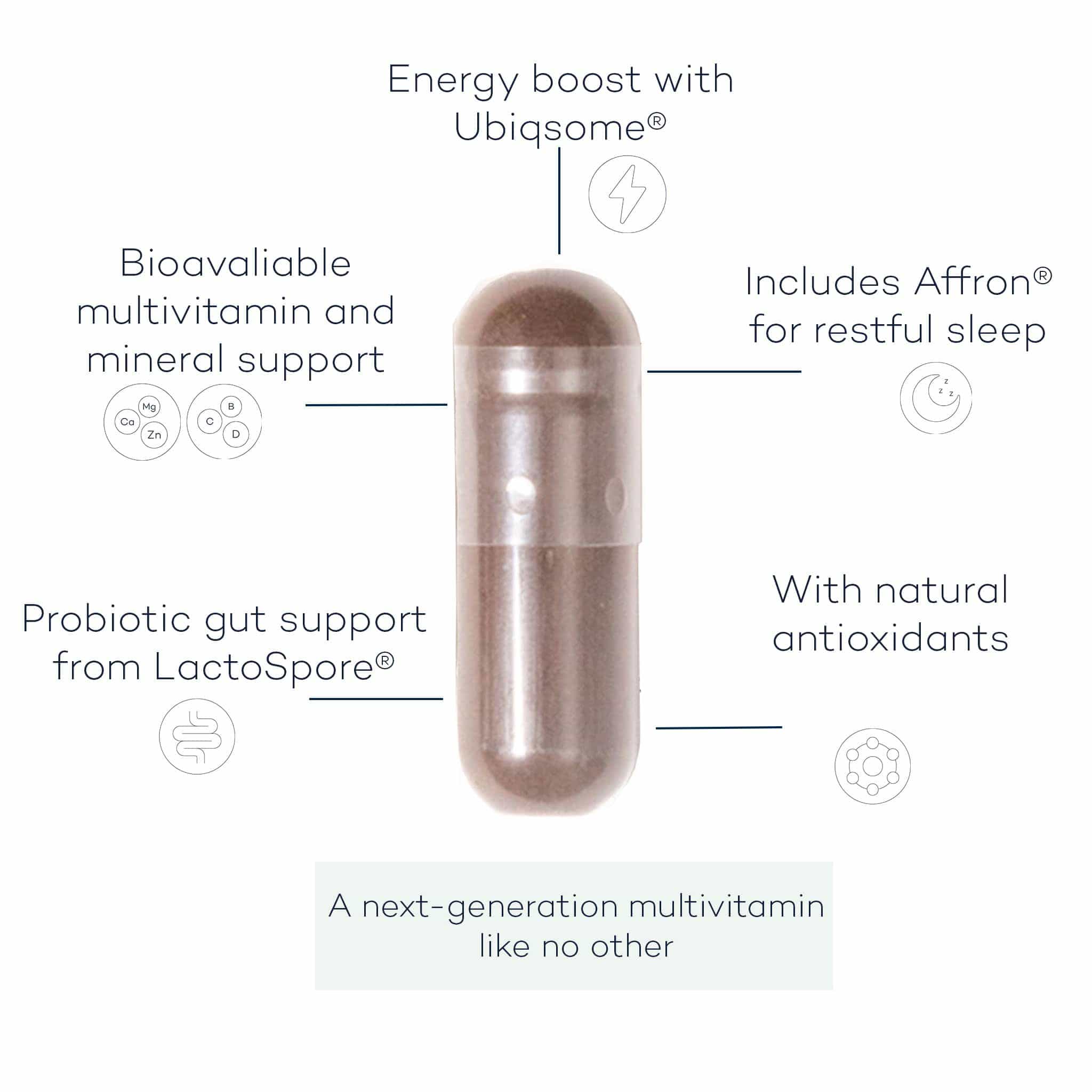
NAD+ Advanced protects cellular health and promotes daily energy as you age by raising your NAD+ levels with nicotinamide riboside, a proven NAD precursor, plus powerful polyphenols.
See how it worksReferences
1. Covarrubias AJ, Perrone R, Grozio A, Verdin E. NAD+ metabolism and its roles in cellular processes during ageing. Nature Reviews Molecular Cell Biology. 2021;22:119–141. doi: 10.1038/s41580-020-00313-x.
2. McReynolds MR, Chellappa K, Baur JA. Age-related NAD+ decline is a normal consequence of physiology. Experimental Gerontology. 2020;134:110888. doi: 10.1016/j.exger.2020.110888.
3. Covarrubias AJ, Kale A, Perrone R, et al. Senescent cells promote tissue NAD+ decline during ageing via the activation of CD38+ macrophages. Nature Metabolism. 2020;2:1265–1283. doi: 10.1038/s42255-020-00292-9.
4. Farah A, et al. Kinetics of Trigonelline Degradation in Coffee Roasting and its Relation to Colour and Other Quality Parameters. Journal of Agricultural and Food Chemistry. 2014. doi: 10.1021/jf403846g.
5. Nature Metabolism (2024). Trigonelline identified as a novel NAD precursor via the Preiss–Handler pathway. doi: 10.1038/s42255-024-00997-x.
6. Crozier SJJ, et al. Aerobic and resistance exercise training reverses age-dependent decline in NAD+ salvage capacity in human skeletal muscle. Physiological Reports. 2019;7:e14139. doi: 10.14814/phy2.14139.
7. Vargas-Ortiz K, Pérez-Vázquez V, et al. Exercise and Sirtuins (SIRT1/SIRT3) in skeletal muscle and metabolic health (review). International Journal of Molecular Sciences. 2019;20(11):2717. doi: 10.3390/ijms20112717.
8. Ramsey KM, Yoshino J, Brace CS, et al. Circadian clock feedback cycle through NAMPT-mediated NAD+ biosynthesis. Science. 2009;324(5927):651–654. doi: 10.1126/science.1171641.
9. (MDPI) Sirtfoods: A New Nutritional Concept. Foods. 2022;11(19):2955. doi: 10.3390/foods11192955.
10. Davinelli S, Medoro A, Hu J, Sun J, Scapagnini G. Dietary polyphenols as geroprotective compounds: From Blue Zones to the hallmarks of ageing. Ageing Research Reviews. 2025;102733. doi: 10.1016/j.arr.2025.102733.
11. Pallauf K, et al. The “MediterrAsian diet” as a “nongenetic modulator of the aging process”. Oxidative Medicine and Cellular Longevity. 2013:707421. doi: 10.1155/2013/707421.




Leave a comment
All comments are moderated before being published.
This site is protected by hCaptcha and the hCaptcha Privacy Policy and Terms of Service apply.