




Numerous studies have found that walking regularly, immersing yourself in nature, and spending time with friends will do wonders for your physical and mental health.
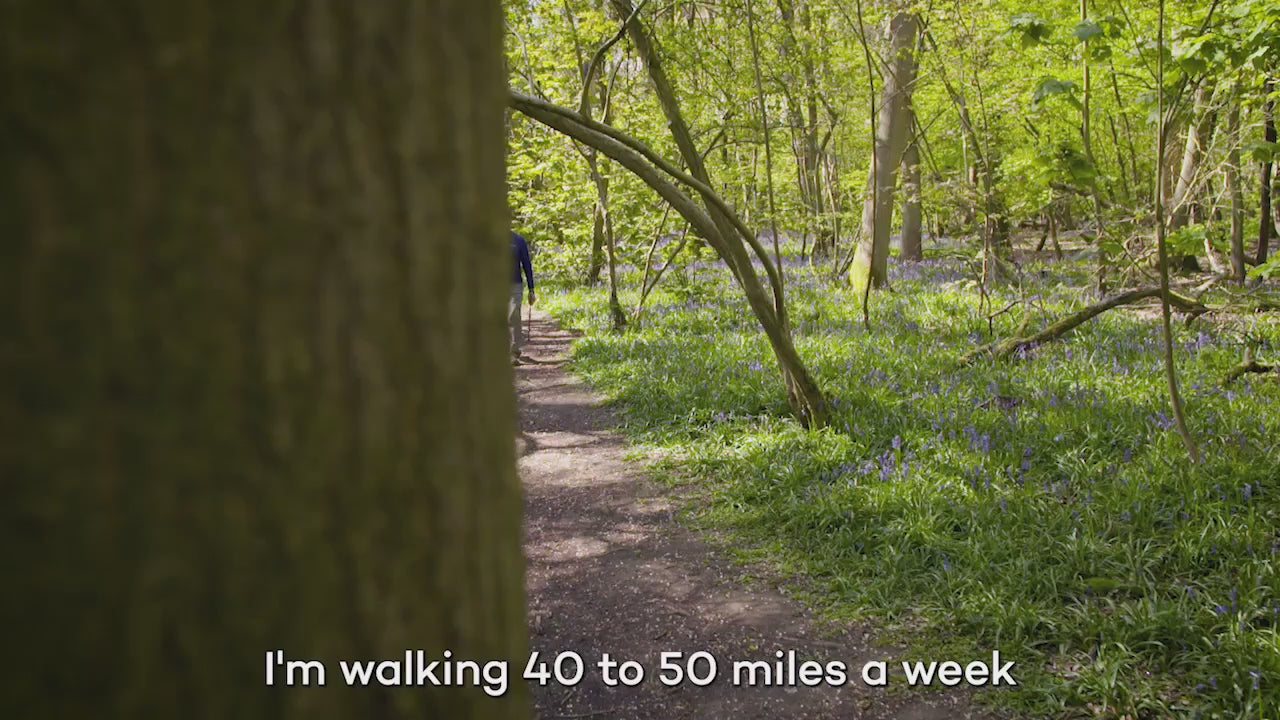
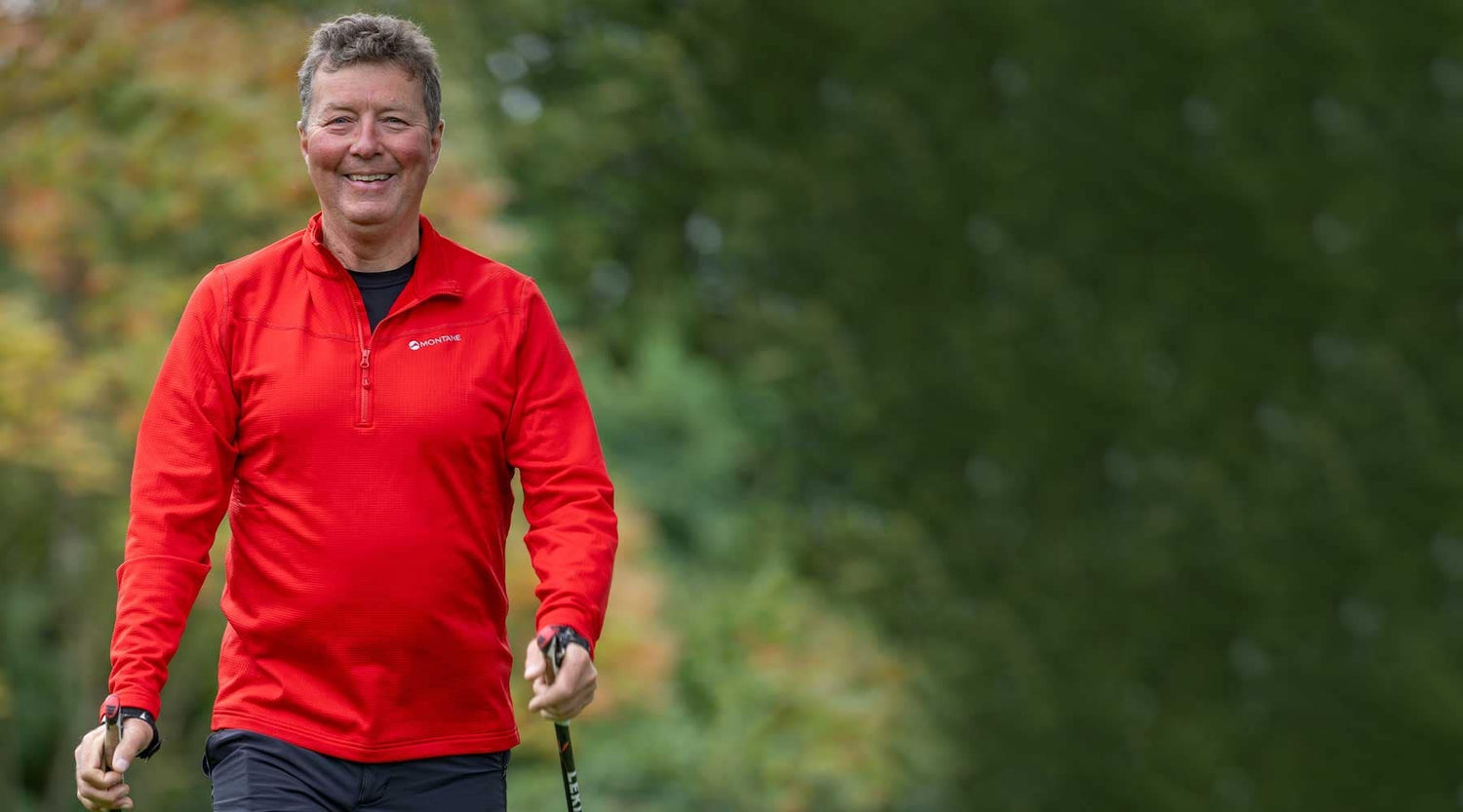
No one knows that better than Paul Goddard, a professional Nordic Walking instructor and Turmeric+ Gold subscriber who has been doing all three almost every week since 2009, leading walking groups in the countryside around Saffron Walden in Essex, covering an average of 50 miles a week.
This National Walking Month, Paul explains the power of Nordic Walking and how joining a walking group can transform your outlook on life, connecting you to both the natural world and a world of new friendships.
I was first drawn to Nordic Walking because it was a physical exercise that wouldn't mess my knees up.
I was a very disgruntled squash player and personal trainer with lots of knee injuries, and I was looking for a hobby that I could do. So I trained in 2009 as a Nordic Walking instructor, and have been running groups and involved with Nordic Walking ever since – in cold weather, hot weather, rain or shine. Lately, I've got interested in long-distance walking because I like a bit of a challenge. I started off in 2018 doing some marathons, and I progressed up to 50-mile walks. Shortly, I'll be attempting my second 100-mile challenge. All along, the Turmeric+ Gold has really helped me.
The main physical benefit of Nordic Walking is that it turns you into a quadruped, thanks to the poles.
It’s an all-body exercise. As you walk, you're powering with the poles through your upper body, so it helps strengthen your core, which is fundamentally important, and your shoulders. It's a bit like cross-country skiing – it uses much more energy and effort. For lots of people in their 50s and 60s who are worried about arthritic joints, or osteoporosis and things like that, it's really good because it engages the whole of your body.
Walking groups are a great way to feel less isolated, make new friends, and feel safe.
In my Nordic Walking groups, about 70 per cent of my customers are women. They’re mostly aged 55 to 75, and quite a few have lost partners and spouses, and so they're on their own. Often, they’re feeling a bit isolated and wary of exercising at a gym or walking out in the countryside by themselves. But with a friendly, supportive walking group, they can feel safe and enjoy big, open, wide spaces with the camaraderie of new friends.
Recently, a lady whose life had become restricted and isolated after three years of caring for her husband came for a walk feeling very nervous and apprehensive. But she soon found the support of people in the group, and stayed for a chat over a cup of coffee afterwards. She said it was exactly what she needed and signed up.

Once you get the bug for walking in nature, you'll look forward to following the seasons.
After a while, people really start interacting with nature and looking out for the changing experience of the seasons. In wintertime, it’s all about the bareness and starkness of the trees and the ploughed fields. In the early spring, it’s the wildflowers, the dandelions and daisies. By April, everybody's looking for walks in bluebell woods, and admiring the clean green fields as crops are starting to grow.
By the summertime, everyone’s enjoying the golden fields of corn, ready for harvest. We find wild plums on several of our walks. And then the beautiful autumn colours as leaves change, ready to fall, and the wild apples ready to pick. Once you’re walking on a regular basis, you really start looking forward to the changes, putting your coat and wellies on, and getting out in all weathers!
Even if you’re living with or recovering from a long illness, there’s a walking group that will suit you.
There's no need to be nervous about starting out. Look for a group nearby at a level that suits you. Start by contacting your local authority and see if they have walking groups. You can also check out the Ramblers Association and their Wellbeing Walks. If you’re feeling more ambitious, you could join a social walk with the Long Distance Walking Association.
Look for a group that has got a social activity, or centres their walks around a convenient stop like a cafe or a pub, because that will really make a huge difference when you're starting out on your journey.
Stepping out your front door for your first walk is the hardest bit. It only gets easier from there.
That first yard on your way to your first walk, that will be the hardest step. Once you've done that, you’ll have a brilliant, wonderful experience, engaging with the countryside and spending time with like-minded people. And that seems to do the trick.
Paul Goddard is a Nordic Walking instructor based in Saffron Walden.
Nutritional support

Turmeric+ Gold
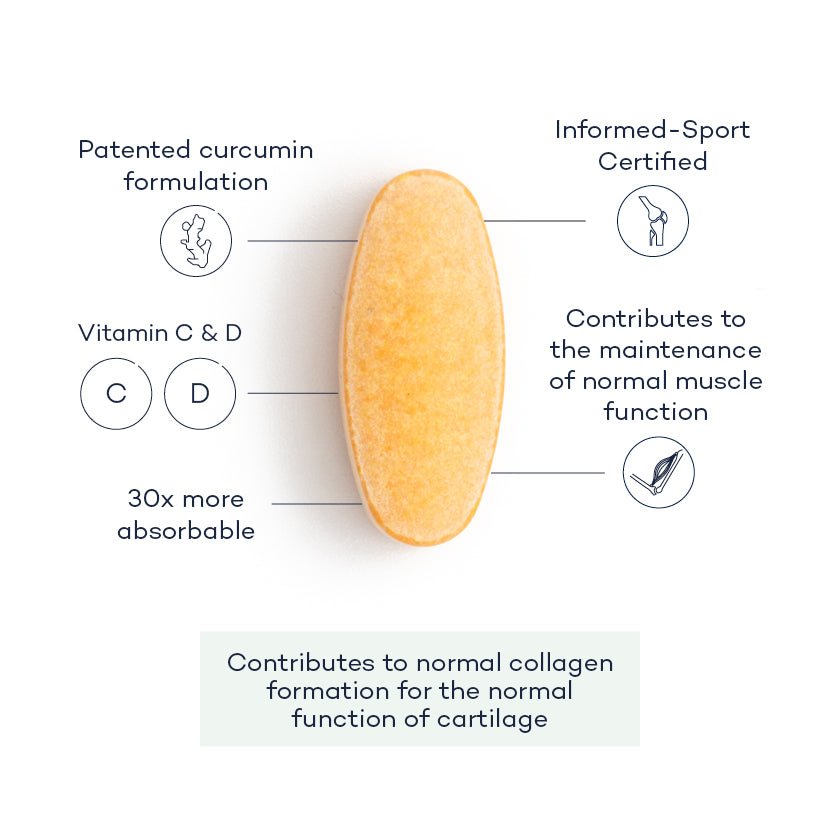
Turmeric+ Gold supports joint health and mobility with highly absorbable curcumin, helping you stay active and mobile with ease.
See how it works