







Studies suggest that the flavanols found in cocoa beans could have a range of positive effects. We take a look at three health benefits that have been the focus of the most research – blood vessel elasticity, cardiovascular health and brain function.
- What are cocoa flavanols?
- How cocoa flavanols support blood vessel function
- Is chocolate beneficial for health and blood pressure?
- How cocoa flavanols may improve memory and brain health
- How can I get enough cocoa flavanols to make a difference?
- The short version
What are cocoa flavanols?
Flavanols are compounds that appear naturally in plants, where they perform lots of different functions, from shielding the plant from UV radiation to creating an unpleasant flavour that stops animals from eating it. Unique varieties of flavanols are found in foods like apples, grapes and green tea, and many others.

Flavanols are also found in the beans of the cocoa tree (Theobroma cacao), native to Central or South America. Foods derived from cocoa beans were long prized in native cultures and later in Europe for their perceived medicinal qualities. 1
Today, many scientists are researching the potential benefits of the compounds in cocoa – especially flavanols – and their studies have revealed a wide range of positive effects for human health.
How cocoa flavanols support blood vessel function
The blood flowing through our arteries carries oxygen and nutrients to every cell in the body. With age, the walls of these blood vessels begin to harden. This can be related to atherosclerosis – the buildup of fats, cholesterol, and other substances (collectively called plaque) – and is often caused by smoking and poor diet. This can restrict blood circulation.

Poor circulation causes all kinds of unpleasant symptoms. It’s most associated with cold or numb extremities but it can cause everything from ulcers to digestive problems. 2 Atherosclerosis can eventually lead to blockages in blood vessels and an increased risk of strokes and other serious illnesses.
Cocoa flavanols can help by causing the body to increase production of nitric oxide, used by the body for multiple functions. 3 Importantly, nitric oxide relaxes blood vessels and allows their walls to widen. This helps the body repair and improve blood circulation, boosting overall blood flow. 4
Is chocolate beneficial for health and blood pressure?
Widening blood vessels and improving blood flow through nitric oxide also has benefits for people with high blood pressure. The antioxidant and anti-inflammatory properties of cocoa may also be connected. 5
High cocoa consumption has been related to a reduced risk of cardiovascular disease because it can reduce blood pressure. 5 This has been observed in healthy people as well as those who are known to be at risk. 6
Studies have shown that high cocoa consumption can even decrease the likelihood that a person will suffer a stroke or heart attack. 7 , 8
How cocoa flavanols may improve memory and brain health
In the brain, poor circulation is associated with fatigue, low mood, memory loss and difficulty concentrating. 2
Cocoa flavanols can improve blood flow to the brain by causing the walls of blood vessels to relax and widen by increasing nitric oxide levels. They may also have positive effects on mood and memory, because flavanols accumulate in the brain regions associated with learning and memory such as the hippocampus.9 Animal models have also shown neuroprotective qualities of cocoa flavanols in relation to normal ageing, strokes and dementia.10
Cocoa flavanols have even been shown to have an effect on mood and stress levels, though more research is needed and it is not yet clear whether any psychological changes are caused by nutrients in chocolate, or simply the pleasure of eating it! 11
How can I get enough cocoa flavanols to make a difference?
If you want to increase your intake of cocoa flavanols, you can eat raw cocoa beans. However, most people get them from eating cocoa-derived products like chocolate.
However, this may not be the best way to increase your flavanol intake, as chocolate is high in both fat and sugar – which will negate any positive effect the flavanols have.
For example, 200g of high-quality dark chocolate contains well over your daily recommended limit of fat – 165% in fact – but just 100mg of cocoa flavanols. The European Food Safety Authority states that the minimum level of cocoa flavanols required for a beneficial effect is 200mg a day.
The short version
Cocoa flavanols from cocoa beans are naturally occurring plant compounds that support healthy blood flow by helping the body produce nitric oxide, which relaxes blood vessels and improves circulation.
Emerging research suggests this may benefit cardiovascular health, blood pressure and even cognitive function by increasing blood flow to the brain.
While cocoa and dark chocolate do contain flavanols, the amount can vary considerably depending on how the cocoa has been processed. In many chocolate products, flavanol levels are reduced during manufacturing.
If you're interested in finding out more about the science behind cocoa flavanols, read our Definitive guide to cocoa flavanols.
Nutritional support

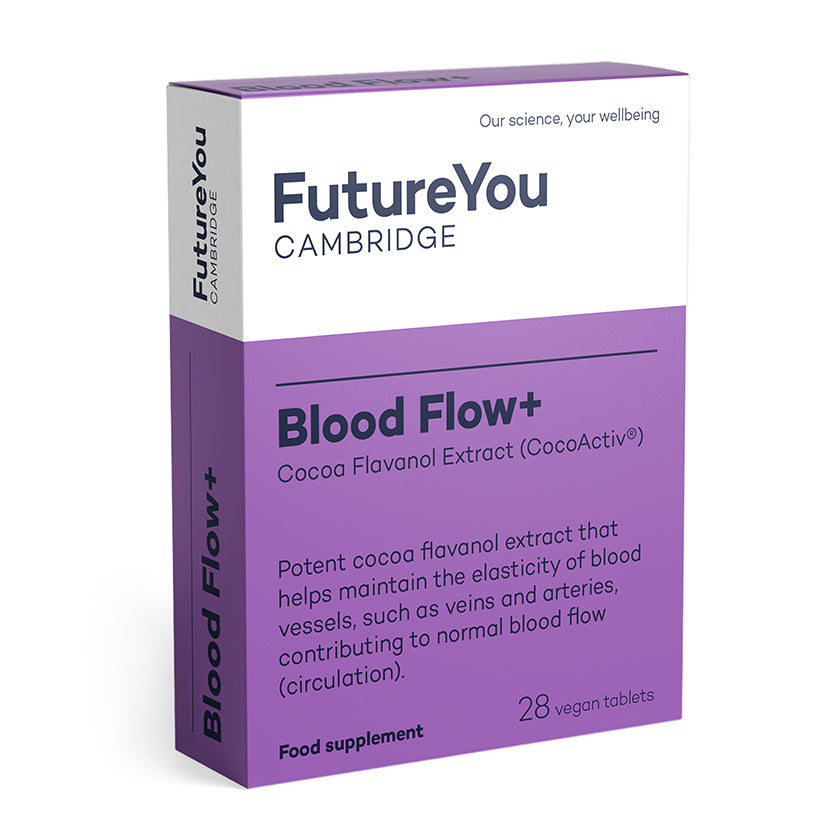
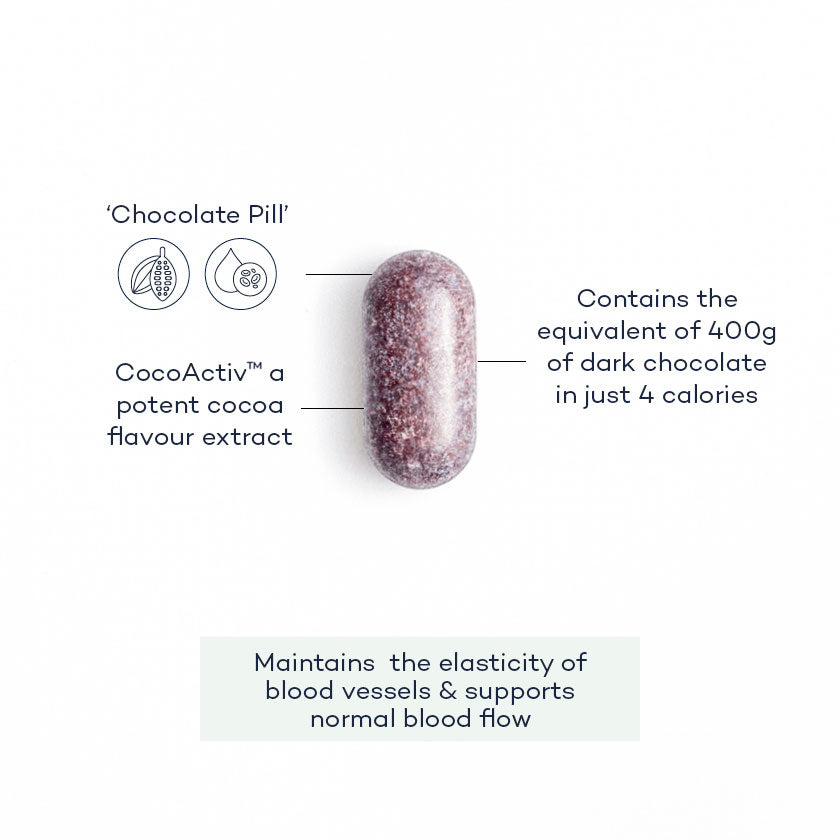
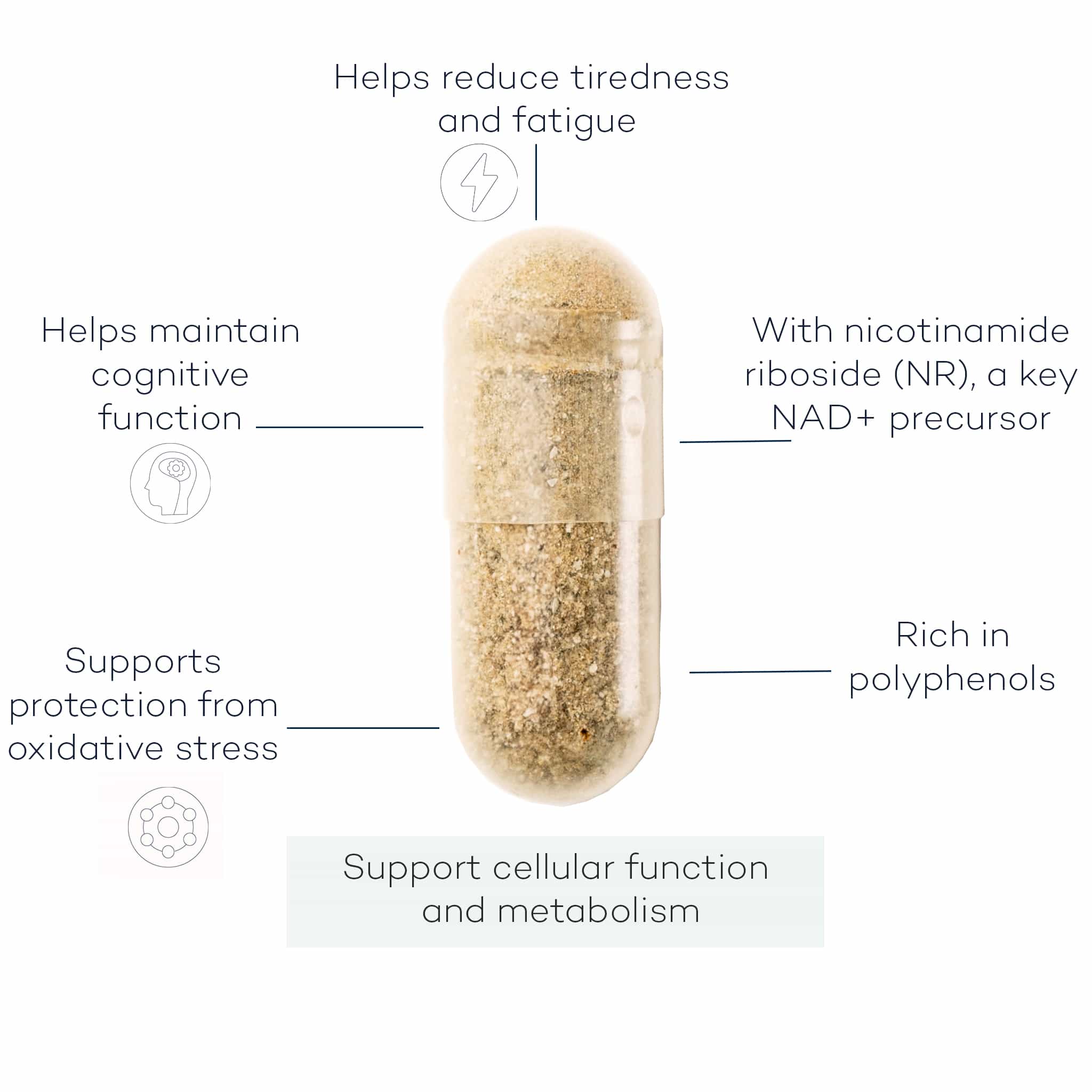
Blood Flow+ supports a healthy circulation with CocoActiv™, the only cocoa flavanol extract recognised by the European Food Safety Authority for supporting blood vessel elasticity and normal blood flow.
See how it worksReferences
1. Lippi D. Chocolate in history: food, medicine, medi-food. Nutrients. 2013;5(5):1573–1584. Published 2013 May 14. doi:10.3390/nu5051573
2. Sampson S, Barhum L. What to know about poor circulationMedical News Today. Published 17 January 2020
3. Fraga CG, Litterio MC, Prince PD, Calabró V, Piotrkowski B, Galleano M. Cocoa flavanols: effects on vascular nitric oxide and blood pressure. J Clin Biochem Nutr. 2011;48(1):63–67. doi:10.3164/jcbn.11-010FR
4. Heiss C, Rodriguez-Mateos A, Kelm M. Central role of eNOS in the maintenance of endothelial homeostasis. Antioxid Redox Signal. 2015;22(14):1230–1242. doi:10.1089/ars.2014.6158
5. Carl L Keen, Roberta R Holt, Patricia I Oteiza, César G Fraga, Harold H Schmitz. Cocoa antioxidants and cardiovascular health. The American Journal of Clinical Nutrition, Volume 81, Issue 1, January 2005, Pages 298S–303S
6. Ried K. Fakler P. Stocks NP. Effect of cocoa on blood pressure. Cochrane Database Syst Rev. 2017 Apr 25;4:CD008893. doi: 10.1002/14651858.CD008893.pub3
7. Ludovici, Valeria et al. Cocoa, Blood Pressure, and Vascular Function. Frontiers in Nutrition 2017/08/01. 10.3389/fnut.2017.00036
8. Larsson SC. Coffee, tea, and cocoa and risk of stroke. Stroke. 2014 Jan;45(1):309-14. doi: 10.1161/STROKEAHA.113.003131. Epub 2013 Dec 10.
9. Buijsse B, Weikert C, Drogan D, Bergmann M, Boeing H. Chocolate consumption in relation to blood pressure and risk of cardiovascular disease in German adults. Eur Heart J. 2010 Jul;31(13):1616-23. doi: 10.1093/eurheartj/ehq068. Epub 2010 Mar 30.
10. Nehlig A. The neuroprotective effects of cocoa flavanol and its influence on cognitive performance. Br J Clin Pharmacol. 2013 Mar;75(3):716-27. doi: 10.1111/j.1365-2125.2012.04378.x.
11. Sokolov AN, Pavlova MA, Klosterhalfen S, Enck P. Chocolate and the brain: neurobiological impact of cocoa flavanols on cognition and behavior. Neurosci Biobehav Rev. 2013 Dec;37(10 Pt 2):2445-53. doi: 10.1016/j.neubiorev.2013.06.013.
12. Scholey A, Owen L. Effects of chocolate on cognitive function and mood: a systematic review. Nutr Rev. 2013 Oct;71(10):665-81. doi: 10.1111/nure.12065.








Leave a comment
All comments are moderated before being published.
This site is protected by hCaptcha and the hCaptcha Privacy Policy and Terms of Service apply.